Best Stops Along the Seward Highway
Introduction: The Drive of a Lifetime
The Seward Highway functions as far more than a simple transit corridor moving vehicles south from Anchorage. Designated as an All-American Road, the first 50 miles of this 127-mile stretch of asphalt slice directly between the sheer rock faces of the Chugach Mountains and the slate-gray, shifting tides of the Turnagain Arm. Long before you lace up your boots for the Byron Glacier Trail, the drive itself establishes the raw scale of the wild terrain you’re driving into.
Navigating this route requires deliberate pacing. Weather systems roll off the Gulf of Alaska and slam into the coastal peaks, turning bright mornings into blinding rainstorms within minutes. The highway dictates your speed, demanding constant attention to both the erratic behavior of other drivers and the massive natural forces at play just beyond your windshield.
Coastal Vistas and Wildlife
Leaving Anchorage, the first mandatory stop appears at Mile 117. The Potter Marsh Anchorage Coastal Wildlife Refuge features a ,1550-foot elevated boardwalk that stretches over the wetlands. Migratory birds, spawning salmon, and the occasional moose wandering through the brush make this an essential stop for photographers. Because the boardwalk keeps foot traffic isolated from the fragile marsh ground, animals frequently ignore the human presence above them.
Further south at Mile 110, Beluga Point forces drivers to hit the brakes. This rocky outcrop juts into the Turnagain Arm and serves as the premier location for spotting white Beluga whales chasing salmon during high tide. The Alaska Department of Fish and Game maintains strict viewing guidelines to protect these marine mammals, so bring binoculars rather than attempting to approach the waterline. Travelers who prefer to let a local expert monitor the tides and navigate the winding coastal curves often book a Full-Day Tour in Turnagain to maximize their time scanning the water rather than staring at the brake lights ahead.
Around Mile 96, you reach Bird Point. This stop provides telescope viewfinders and a clear vantage point to witness the Turnagain Arm’s famous tidal bore—a singular, continuous wave that roars up the inlet as the tide violently reverses direction. The bore wave can reach up to six feet in height during extreme tidal shifts.
| Stop Name | Mile Marker | Best For | Estimated Time |
|---|---|---|---|
| Potter Marsh | 117 | Birding & Photography | 30 mins |
| Beluga Point | 110 | Whale Watching | 15 mins |
| Indian Valley Mine | 104 | Gold Rush History | 45 mins |
| Bird Point | 96 | Tidal Bore Viewing | 20 mins |
| AWCC | 79 | Guaranteed Wildlife | 1.5 hours |
Regional Highlights & Culture
Girdwood (Mile 90)
The turnoff for Girdwood presents the last major outpost for premium coffee, fuel, and hot meals before you enter Portage Valley. Originally a gold mining camp, the compact ski town now anchors the local outdoor recreation scene. Checking the Visit Girdwood directory helps pinpoint which local bakeries open early enough to grab provisions before a hike. For those with a higher budget looking to bypass the hiking trail entirely, the town serves as the launchpad for an Anchorage Helicopter Flight with Glacier Landing, departing from the local airfield.
History & Science
Before reaching Girdwood, the Indian Valley Mine (Mile 104) offers a sharp history lesson on the assayers and miners who carved a living out of the rock in the early 1900s. Further down the highway, turning onto Portage Valley Road leads to the Begich, Boggs Visitor Center. Managed by the U.S. Forest Service, this facility breaks down the complex glacial mechanics shaping the region. The exhibits here directly complement the ecological concepts discussed in our Glacier Science & Wildlife guide.
The Wildlife Conservation Center
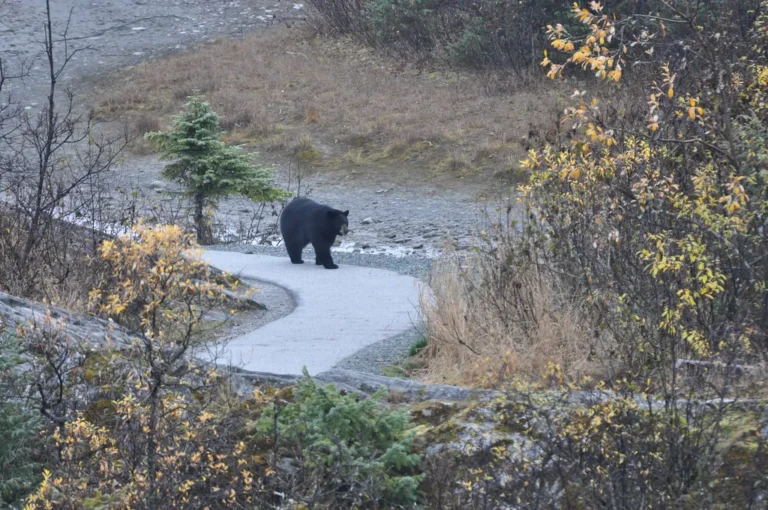
At Mile 79, right before the Portage Valley junction, sits the Alaska Wildlife Conservation Center (AWCC). This non-profit sanctuary rehabilitation facility occupies 200 acres of sprawling coastal habitat. If you failed to spot a moose at Potter Marsh or a bear grazing along the cliffs, the AWCC guarantees close-up encounters with wood bison, muskox, eagles, and brown bears. Entry requires a purchased ticket, and visitors should allocate at least an hour and a half to walk or drive the sanctuary loop.
Do not stop your vehicle in the middle of the highway to photograph Dall sheep on the cliffs. The Seward Highway handles heavy commercial truck traffic that cannot stop on a dime.
Safety & Logistics on the Highway
Driving the Seward Highway demands respect for the road’s unique hazards. The route consists primarily of two lanes with sparse, designated passing zones. Turnagain Arm sweeps alongside teh asphalt on the right, while unstable rock walls tower on the left. Slower drivers, particularly those operating rented recreational vehicles, must utilize the gravel pull-outs to let faster traffic pass. Ignoring this state law causes dangerous tailgating and reckless passing maneuvers.
Weather along the inlet changes rapidly. High winds routinely funnel through the mountain passes, buffeting high-profile vehicles and dropping visibility to zero during autumn squalls. Before setting out, review our Safety Essentials for Alaska Hiking to ensure your vehicle carries the necessary emergency gear. A flat tire in a cellular dead zone requires you to be entirely self-sufficient until a state trooper or fellow traveler stops to assist.
Connecting to the Trail
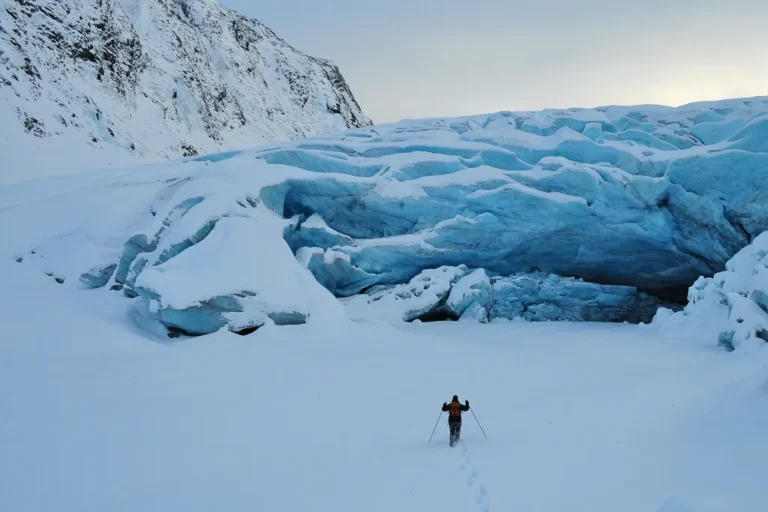
The transition from the high-speed coastal highway to the rugged glacier environment occurs at Mile 78.9. Turning left onto Portage Glacier Road leaves the ocean behind and plunges you into a deep, steep-walled valley. The temperature drops noticeably as you drive past the hanging glaciers clinging to the peaks above.
This final five-mile stretch requires a quick stop to strech your legs and double-check your bear spray before reaching the gravel parking lot. For precise directions from the highway junction to the specific parking zones near Portage Lake, consult our detailed How to get to Byron Glacier Trail transit guide. Once you kill the engine and step onto the dirt, the roar of highway traffic is instantly replaced by the sound of rushing meltwater.