The Fascinating Life of Ice Worms
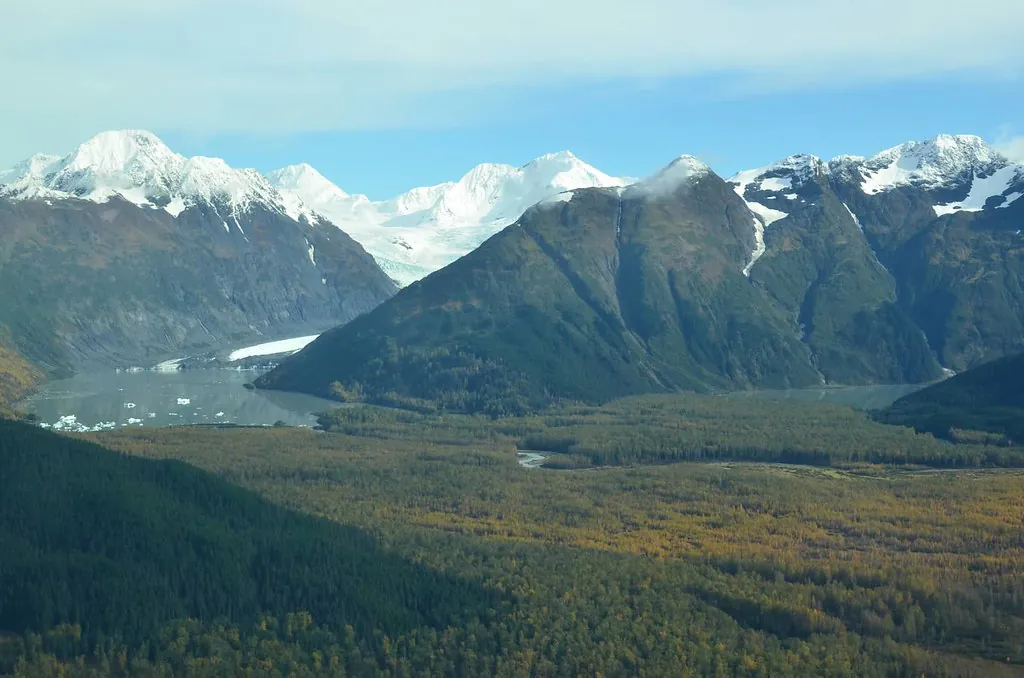
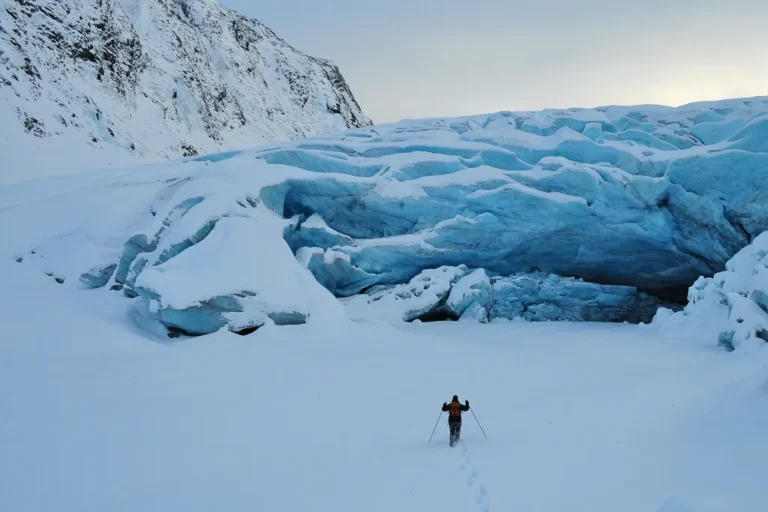
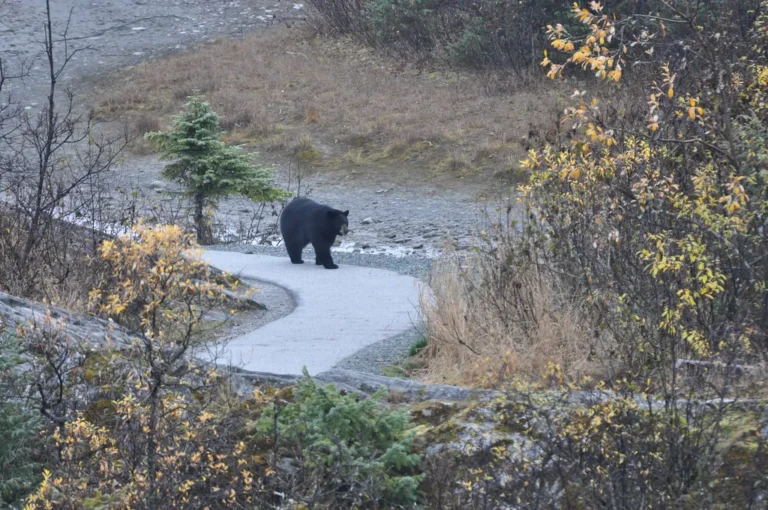
Alaska’s high country harbors biological anomalies that defy standard physiological rules. Most visitors hiking the Byron Glacier Trail expect to see fractured seracs, sheer granite walls, or perhaps a black bear foraging in the dense alder brush. Instead, the most remarkable organism in the Portage Valley measures barely fifteen millimeters long and spends its entire existence entombed in frozen precipitation. For decades, Alaskan locals have subjected newcomers to tales of the elusive ice worm, describing it alongside fictional creatures like the jackalope to haze naive travelers.
This is no campfire fabrication. The glacier ice worm is a documented, highly specialized annelid that navigates the interstitial spaces between ice crystals. Surviving in an environment that kills almost all other multi-cellular life requires extraordinary evolutionary compromises. Their existence challenges our fundamental understanding of thermal biology and highlights the extreme specialization required to inhabit the Chugach mountain ecosystem. Observing them requires an understanding of their precise environmental thresholds, a keen eye for subtle movement, and a willingness to explore the snowpack during the darkest, coldest hours of the day.
Scientific Classification & The Impossible Biology
To understand the ice worm, you must strip away assumptions about cold-blooded animals. Scientifically classified as Mesenchytraeus solifugus—a Latin binomial that translates directly to “sun-fleeing”—these creatures belong to the family Enchytraeidae. They are obligate psychrophiles. This classification means they do not merely tolerate extreme cold; they require it for basic cellular function. Researchers from Rutgers University have documented how these worms maintain high energy levels in environments that force other invertebrates into dormancy.
The ice worm operates in a state of suspended impossibility, manufacturing cellular energy at temperatures that cause other biological matter to cease functioning entirely.
The physiological mechanisms preventing the ice worm from freezing solid remain a subject of intense biochemical study. Most organisms experience a catastrophic drop in adenosine triphosphate (ATP) production as temperatures plummet toward freezing. ATP is the primary energy carrier in all living cells. Mesenchytraeus solifugus reverses this biological standard. As their surrounding temperature drops, their cellular machinery increases ATP synthesis. This paradoxical energy spike acts as an internal anti-freeze system, keeping their bodily fluids viscous and their muscles firing.
This extreme adaptation comes with a fatal vulnerability. The ice worm exists in a microscopic thermal window. Their cellular membranes are highly fluid, a necessary trait to remain flexible in the ice. If an ice worm is exposed to temperatures exceeding 40°F (4°C), those same membranes lose structural integrity. The proteins denature, the cellular walls dissolve, and the worm undergoes autolysis. They effectively melt if removed from the sub-zero temperatures they are perfectly adapted to. This biological reality makes them impossible to keep in standard laboratory settings without specialized refrigeration equipment.
Ice Worm Observation Log
Tracking these creatures requires matching your behavior to their strict environmental demands. Because they are highly sensitive to solar radiation and thermal shifts, observational success relies entirely on timing and weather conditions.
| Condition | Ideal State | Why? |
|---|---|---|
| Temperature | Near 32°F (0°C) | Prevents the organism from melting or overheating during surface exposure. |
| Time of Day | Dusk, Dawn, or Night | Avoids lethal ultraviolet radiation and the midday solar heat gain. |
| Weather | Heavy Overcast or Fog | Maintains stable, cool surface snow and filters out ambient light. |
| Location | Snowfields / Glacier Edge | Areas with high wind-blown organic matter density provide ideal feeding grounds. |
The Daily Migration & Diet
The Vertical Commute
Every evening, as the sun dips below the jagged peaks of the Portage Valley, millions of ice worms begin a slow, vertical migration. They navigate the porous, granular snow—known as firn—using microscopic bristles called setae to grip the ice crystals. This upward movement is driven by the need to feed. The surface of a glacier is a trap for airborne debris. Wind currents funnel microscopic nutrients up the valley, depositing a fine layer of spruce pollen, dust, and organic detritus across the snowfields.
Their primary food source is Chlamydomonas nivalis, a species of cold-loving green algae that produces a red pigment to protect itself from UV radiation. When conditions align, the worms gorge on this algae throughout the twilight hours. As dawn approaches and solar radiation increases, the worms retreat. They burrow deep into the insulated layers of the snowpack, sheltering in the stable, dark cold until the cycle repeats.
Ecological Impact
Despite their microscopic size, ice worms represent a massive transfer of biomass within a seemingly barren landscape. Biologists with the U.S. Forest Service have noted that during peak summer months, a single square meter of glacial snow can contain thousands of individual worms. This high-density population provides a critical, predictable food source for alpine wildlife.
Passerines like the snow bunting and the gray-crowned rosy finch have learned to exploit this nightly migration. These birds patrol the lower edges of the snowfields at dawn, picking off the slow-retreating worms. Visitors embarking on a Glaciers and Wildlife: Super Scenic Day Tour from Anchorage often hear guides detail this precise predator-prey relationship, emphasizing how a tiny annelid sustains complex avian life in an otherwise nutrient-starved terrain.
Where to Spot Them at Byron Glacier
Finding an ice worm requires patience and a specific methodology. The trail conditions at Byron Glacier offer an accessible route to the permanent snowfields bordering the ice base, making it one of the most reliable observation sites in Southcentral Alaska. You do not need to scale the sheer face of the glacier to find them. Instead, focus your attention on the lingering patches of firn snow that blanket the rocky outcroppings near the terminus.
When scanning teh snowfields, look for what appears to be a small piece of dark lint or a stray pine needle resting on the ice. Ice worms are dark brown or black, a pigmentation strategy that likely offers minimal protection from ambient light while helping them absorb trace amounts of heat. Stare at the dark thread for a few seconds. If it slowly writhes or bends against the grain of the snow, you have found Mesenchytraeus solifugus.
Ethical viewing is mandatory. The Chugach National Forest strongly advocates for a “look, don’t touch” policy regarding sensitive alpine flora and fauna. Picking up an ice worm is an immediate death sentence for the organism. The ambient heat radiating from a human fingertip—averaging 90°F (32°C)—will trigger rapid autolysis, melting the worm in seconds. Observe them closely, photograph them macroscopically if your camera allows, but never attempt to handle them or scoop them into a container.
- Focus on the transition zones: Look where the clean snow meets the darker, debris-covered ice. Organic matter pools here, drawing the worms toward the nutrient density.
- Mind your shadows: If you cast a harsh shadow over a feeding worm, the sudden shift in light can trigger their burrowing reflex. Approach slowly.
- Prioritize late summer: Late August and early September offer the highest concentrations of visible worms as the snowpack compresses and algae blooms peak.
- Maintain situational awareness: While your eyes are locked on the snow, remember that the surrounding environment is volatile. Review our Ice Caves & Avalanche Safety guide before lingering near the active glacier face.
The Climate Change Connection
The highly specialized nature of the ice worm leaves them exceptionally vulnerable to macro-environmental shifts. They are biological indicators of glacial health. As temperatures in the Portage Valley rise, the mechanics of the glacier change. Byron Glacier, like many maritime glaciers in Alaska, is in a state of retreat. The permanent snowfields that insulate the deeper ice are melting earlier in the season and freezing later.
If a glacier loses its protective firn layer and exposes bare, hard glacial ice, the worms lose their habitat. They cannot burrow into solid ice; they require the granular, porous structure of compressed snow to move and shelter. A sudden depletion of this firn layer exposes the worms to lethal surface temperatures and intense solar radiation. A changing climate does not just mean less ice; it means the total eradication of the micro-environments that sustain this species.
Understanding the interplay between changing weather patterns and alpine biology is crucial for modern hikers. By reviewing our Seasonal Guide: Summer vs. Winter, visitors can see the stark contrast in snowpack retention over the last decade. Furthermore, protecting the delicate terrain around the glacier is a shared responsibility. Adhering to the Visitor Rules & Guidelines ensures that human foot traffic does not accelerate the degradation of the fragile snowfields where these creatures breed and feed. Preparing appropriately for extreme weather, as detailed in our Safety Essentials for Alaska Hiking, also means respecting the extremes that local wildlife endures daily.
The ice worm is a master of the extreme, thriving in a ‘Goldilocks’ zone where a single degree of warming can mean the difference between life and death.
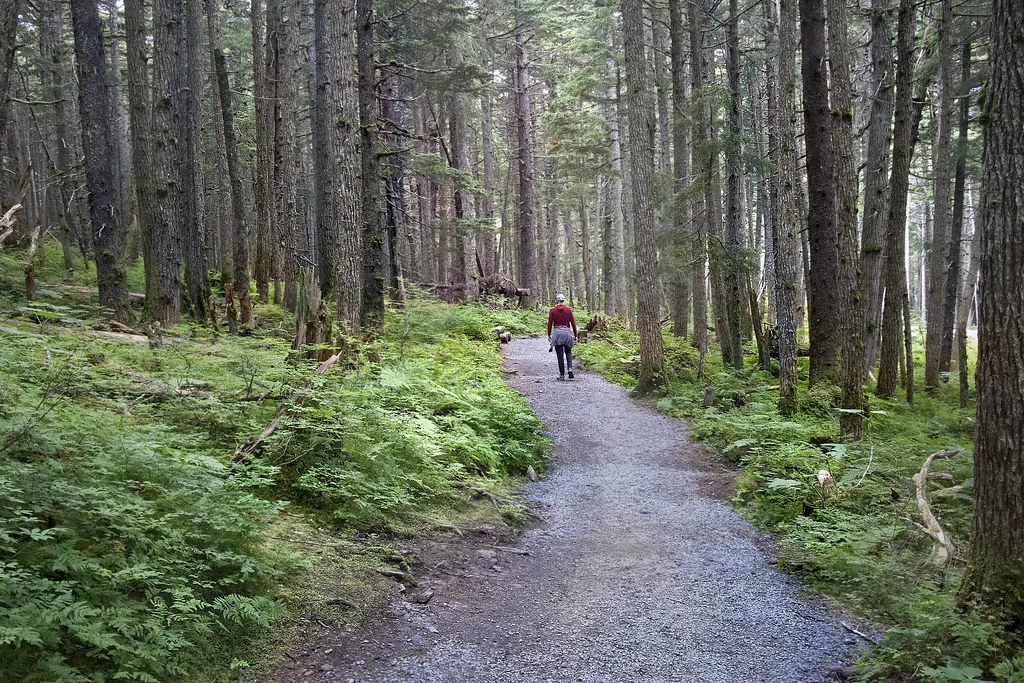
The survival of Mesenchytraeus solifugus is intrinsically tied to the persistence of Alaska’s coastal glaciers. They are a testament to life’s mechanical resilience, finding a way to extract energy from a landscape defined by freezing winds and crushing ice. The next time you find yourself navigating the rocky moraine of the Byron Glacier Trail, take a moment to inspect the snow. You might just lock eyes—figuratively speaking, as they have no optical structures—with one of the most resilient organisms on Earth. For those looking to deepen their understanding of this environment, joining a guided excursion detailed on our Tickets & Tours page offers unparalleled access to local biological expertise and safe route-finding through the glacier’s intricate terrain.
Plan Your Glacier Exploration
Accessing the primary observation zones requires proper transit planning. Review our detailed logistics on How to get to Byron Glacier Trail to find the best driving routes, parking maps, and transit schedules from Anchorage and Girdwood.