What to Pack for an Alaskan Winter
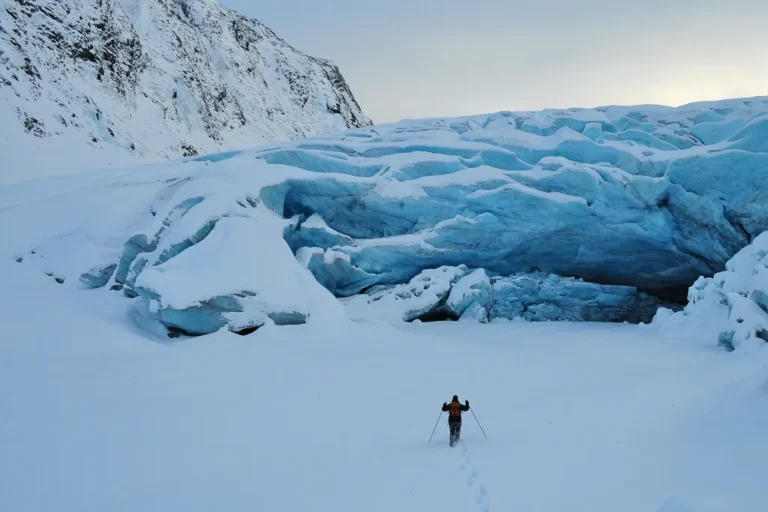
Portage Valley is a sub-arctic environment where conditions can shift from calm to a blinding whiteout in a matter of minutes. The Chugach mountains do not care about your itinerary. Preparing for a winter trek to the Byron Glacier requires a fundamental shift from a casual hiking mindset to an expedition mentality. When you step out of your heated vehicle at the trailhead, the sheer force of the coastal wind coming off Portage Lake is an immediate shock to the system. This guide outlines the technical requirements to stay safe, warm, and mobile in one of Alaska’s most unforgiving landscapes.
For those unfamiliar with navigating sub-zero coastal environments, relying on professional logistics is often the smartest first step. Booking a specialized excursion like the Winter – Wildlife & Turnagain Arm Tour provides a safe, guided introduction to the region’s harsh beauty before you attempt solo navigation of unmaintained routes. Whether you are venturing out independently or with a guide, your survival and comfort depend entirely on what you pack.
The Three-Layer System
Mastering the base, mid, and outer layer is critical. Avoid cotton at all costs; it retains moisture and leads to rapid heat loss. The National Weather Service frequently warns that damp clothing in freezing winds accelerates hypothermia exponentially. Opt for merino wool or synthetic fabrics that wick sweat away from the skin. When you exert energy along the 1.4-mile trail, your core temperature rises. If that sweat freezes the moment you stop to admire the glacier, you are in immediate danger.
Your base layer acts as your moisture management system. Lightweight to midweight merino wool is the gold standard because its natural keratin fibers trap dead air while actively pulling sweat outward. Over this, your mid-layer serves as your primary furnace. A high-loft fleece or a packable down jacket captures the heat your body generates. You defintely want to fine-tune this layer based on your personal resting temperature.
- Base: Moisture-wicking thermal layers (Merino wool or specialized synthetics).
- Mid: Grid fleece or down insulation to trap metabolic heat.
- Outer: Windproof and waterproof hard shell to block sub-arctic gusts.
The outer layer is your armor against the coastal elements. A Gore-Tex or equivalent breathable hard shell is mandatory. Portage Valley acts as a natural wind tunnel, funneling aggressive gusts straight off Prince William Sound. Even if the ambient temperature reads 20°F, a 30 mph wind drops the effective temperature to near zero. Understanding how this differs from mild summer excursions is detailed in our seasonal comparison guide.
Footwear & Traction
The Byron Glacier trail undergoes a severe transformation between November and April. What is a flat gravel path in July becomes a sheer sheet of ice by December. Insulated, waterproof boots are mandatory, but they are not enough on their own. Standard rubber lugs harden in sub-zero temperatures, turning everyday hiking boots into frictionless skis. Micro-spikes or aggressive trail crampons are essential for maintaining stability on teh frozen path.
You must select boots with at least 400 grams of Thinsulate insulation, paired with heavy-weight wool socks. Leave enough room in the toe box so your circulation is not restricted—tight boots lead to frozen toes faster than thin boots. As you approach the glacier’s base, the terrain shifts from packed snow to a treacherous boulder scramble covered in black ice. Slipping on jagged, frozen granite is exactly what you need to prepare for.
To understand the specific elevation and terrain changes that necessitate this heavy-duty traction, review the deep dive on our trail conditions and map page.
Pro Tip: Always test your micro-spikes on your boots at home before heading to the trailhead to ensure a secure fit over bulky winter footwear. A loose spike will inevitably detach in deep snow.
Safety & Battery Management
Sub-arctic cold destroys battery life. Lithium-ion batteries drop voltage rapidly when exposed to temperatures below freezing, causing smartphones and cameras to shut down with 50% charge remaining. Keep your essential electronics inside an interior pocket, directly against your base layer. Your body heat will keep the chemical reactions in the battery stable. If you rely on your phone for GPS navigation, carry a high-capacity power bank equipped with a short cable, allowing you to charge the device while it remains inside your jacket.
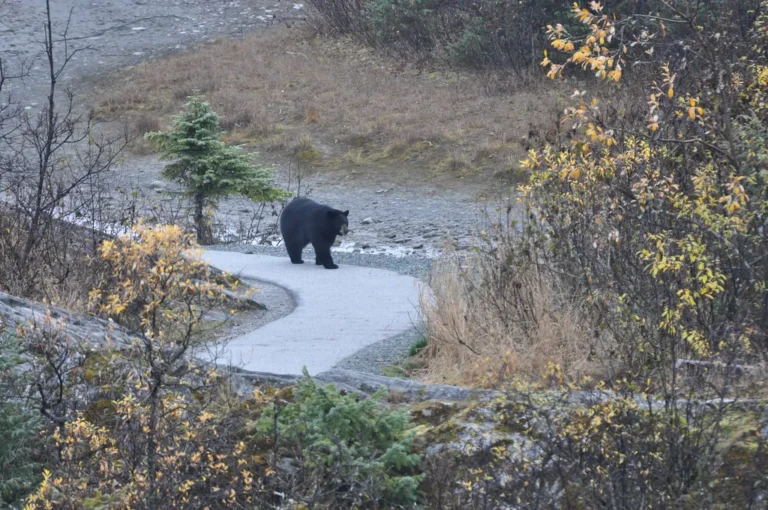
Wildlife encounters do not cease simply because snow is on the ground. The Alaska Department of Fish & Game constantly reminds hikers that brown bears can wake up during mid-winter thaws, and late-season activity is entirely possible in the Chugach National Forest. Carrying bear spray is a year-round requirement. Keep the canister on an external chest harness rather than buried inside your day-pack. A frozen canister is useless, so keeping it close to your core under your outer shell—yet instantly accessible—is the required technique. For more comprehensive wildlife protocols, read our guide on bear country etiquette.
Another overlooked winter hazard is photokeratitis, commonly known as snow blindness. The sun sits low on the Alaskan horizon during winter, bouncing intense UV rays off the snowpack directly into your retinas. Polarized, UV400-rated sunglasses or wrap-around glacier goggles are non-negotiable. Even on overcast days, the glare cuts through the cloud cover with enough intensity to cause severe eye damage.
Final Preparation & Hydration Strategy
Hydration is notoriously difficult to manage in sub-zero environments. Standard plastic water bottles will freeze solid within an hour. Hydration bladders with exposed drinking tubes are even worse—the water inside the thin hose freezes in minutes, completely blocking your water supply. You must carry double-walled, vacuum-insulated thermoses filled with hot or warm water. Packing high-calorie snacks that will not shatter your teeth when frozen—like heavy fruitcakes or specialized winter energy bars—provides the metabolic fuel needed to stay warm.
Before you commit to the drive down the Seward Highway, you must understand the current layout of the trail. Winter in the Chugach is dynamic; a clear path on Tuesday can be buried under four feet of drifted snow by Wednesday morning. Always check the current trail conditions and read through the safety essentials for Alaska hiking to ensure your gear aligns with the specific weather window you plan to exploit.
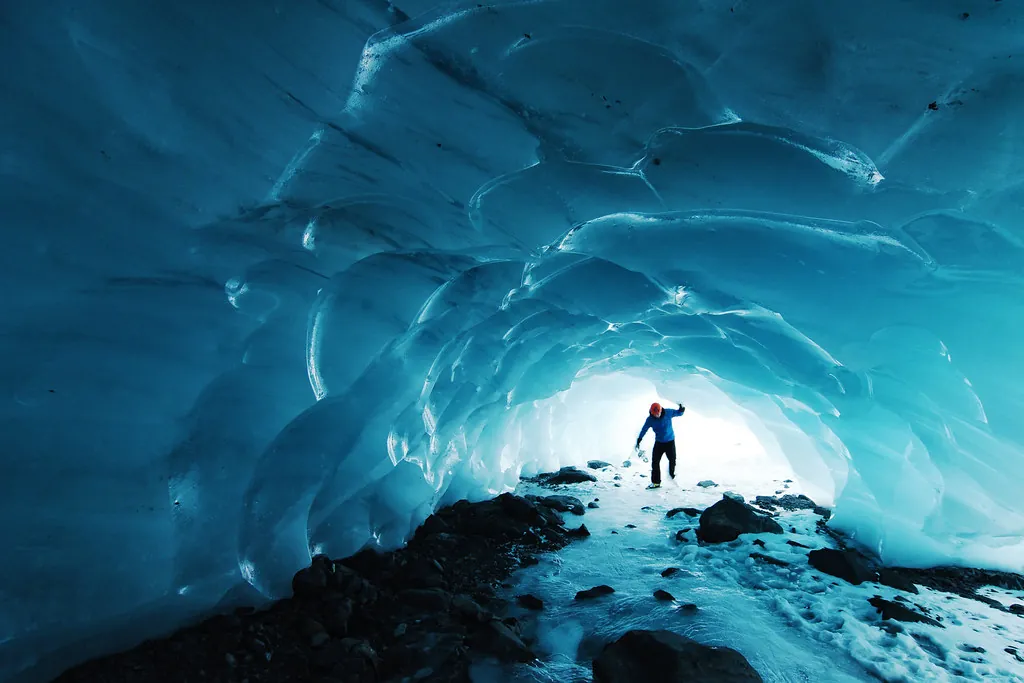
Finally, a critical warning regarding the glacier itself. During winter, the structure of the ice changes dramatically. The immense weight of the snowpack on the hanging glacier increases the risk of sudden calving and avalanches. Many visitors believe that bringing a climbing helmet makes entering the hollowed-out sections of the glacier safe. This is a fatal misconception. No consumer-grade safety gear will protect you from tons of collapsing glacial ice. For a stark look at the physics involved and why avoidance is the only strategy, study our ice caves and avalanche safety report before you pack your bag.